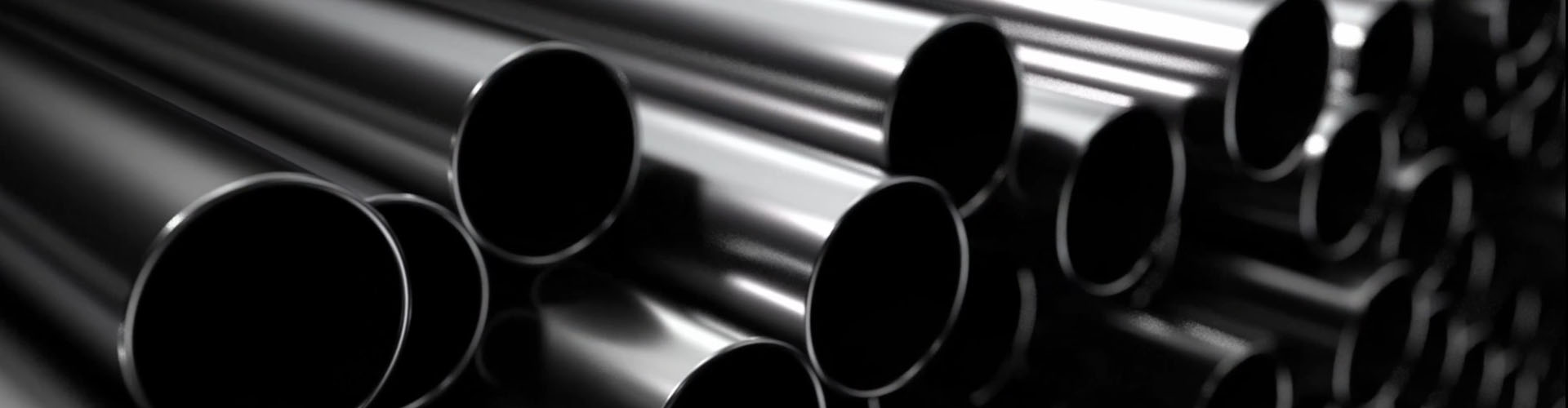
Hastelloy Pipe
 We are Zhejiang Kangxin Steel Pipe Co., Ltd. (Kangxin), a China-based manufacturer of Alloy seamless pipe. Alloy is a family of nickel-based corrosion-resistant alloys developed for the most aggressive acids, chlorides, and high-temperature service. The C-family grades (C-276, C-22, C-4, C-2000) use nickel with chromium, molybdenum, and often tungsten for broad resistance to both oxidizing and reducing chemistries. The B-family grades (B-2, B-3) rely on high molybdenum and low chromium for exceptional resistance to reducing acids, especially hydrochloric acid. We manufacture Alloy seamless pipe to ASTM B622 (equivalent ASME SB-622) in all six commercial grades. These alloys are commonly used in chemical processing, flue-gas desulfurization, pharmaceutical production, sour oil and gas service, and pulp bleaching. We maintain several international certifications, which you can find on our Certificate page. For custom production, the minimum order quantity is 200 kg, while stocked material has no MOQ. Stock items usually ship within one week, and custom production orders are generally finished within 15 to 60 days.
- OD Range 6 – 457 mm
- Thickness 1 – 65 mm
- Length ≤ 22 m
What is Hastelloy Pipe?
Hastelloy pipe is a nickel-based alloy pipe built for serious corrosion resistance and high-temperature strength. Engineers developed this alloy family to withstand the most demanding chemical, petrochemical, and high-temperature processing environments. Hastelloy alloys are nickel-based systems. The C-family grades use nickel, chromium, molybdenum, and tungsten for broad chemical resistance. The B-family grades take a different route, relying on high molybdenum with minimal chromium to handle reducing acids. Chromium and molybdenum, in particular, provide strong resistance to pitting, crevice corrosion, and stress corrosion cracking. These pipes retain their mechanical properties and corrosion resistance in elevated-temperature and chemically aggressive environments. They significantly exceed the performance limits of 300-series stainless steels in chloride environments, reducing acid media, and elevated-temperature service. We produce these pipes in seamless form for varied pressure ratings and process service conditions.What are the Key Features and Benefits of Hastelloy Piping?
Hastelloy pipe & tube has many features and advantages that make it a reliable choice for different demanding applications:- Superior Corrosion Resistance: These pipes & tubes resist localised corrosion like pitting and crevice attack in salty or acidic water. The high nickel content, along with chromium and molybdenum, enhances resistance to general corrosion and stabilises the alloy in aggressive chemical environments.
- High-Temperature Strength: Hastelloy pipes & tubes maintain mechanical stability and strength at elevated operating temperatures. This prevents them from deforming or softening during high-heat industrial cycles.
- Excellent Resistance to Chemical Attack: The B-series and C2000 grade of this pipe & tube handles aggressive chemicals like sulfuric, phosphoric, and hydrochloric acids without degrading. This makes it a suitable choice for transporting hazardous liquid media.
- Good Fabricability: Despite its strength, the nickel-alloy pipe & tube can be formed, machined, and welded using standard industrial methods. This allows for easy customisation into complex shapes for specific machinery.
- Extended Service Life: As the pipe & tube resists wear and rust so effectively, it lasts much longer than traditional steel. This reduces the need for frequent replacements and lowers long-term maintenance costs.
- High Mechanical Strength: This pipe & tube has high tensile strength. This allows it to endure significant internal and external pressure. This ensures the safety of high-pressure systems in refineries and plants.
- Cost-Effectiveness: While the initial price of the pipe & tube is higher, the lack of downtime and repair costs saves money over time. Investing in Hastelloy pipes & tubes prevents expensive leaks and system failures.
- Versatility: The Hastelloy pipe & tube (specifically C-series) is suitable for both oxidising and reducing environments, which is rare for most metals. It performs reliably across a wide range of different chemical settings.
- Non-magnetic: Hastelloy alloys are generally non-magnetic under standard service conditions. This makes them suitable for sensitive electronic and aerospace applications.
- Wide Range of Grades: There are different grades of Hastelloy pipes & tubes that are made to protect against certain types of corrosion or temperature ranges. This lets engineers choose the right material for their project.
Hastelloy Pipe & Tube Specifications
Hastelloy pipe & tube specifications include outer diameter, wall thickness and length. At Kangxin, we provide different grades of these pipes & tubes in surface finishes like bright annealed, polished or cold-drawn. These pipes & tubes are also available in different forms.
- StandardASTM B622
- Outside Diameters6 – 457 mm
- Length≤ 22 m
- Thickness Range1 – 65 mm
- GradesHastelloy C276, C22, C4, B2, B3, C2000
- FormRound, Square, Rectangular, Hydraulic etc
- EndPlain End, Beveled End, Threaded
- TestingPMI, Radiography, Mechanical, Chemical
Types of Hastelloy Pipes & Tubes
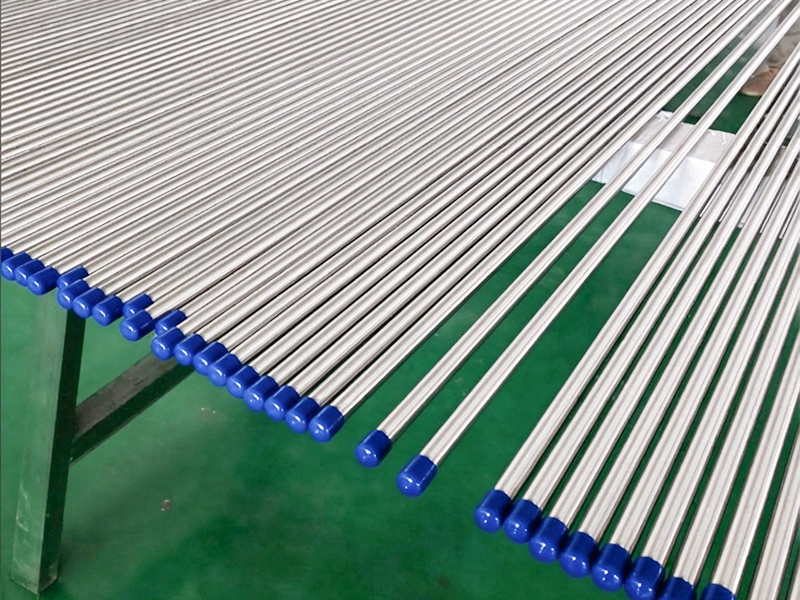
There are 4 types of Hastelloy pipes & tubes, which include both seamless and welded types. However, at Kangxin we specialise in the production of seamless pipes & tubes:
 Seamless Hastelloy Pipes & Tubes
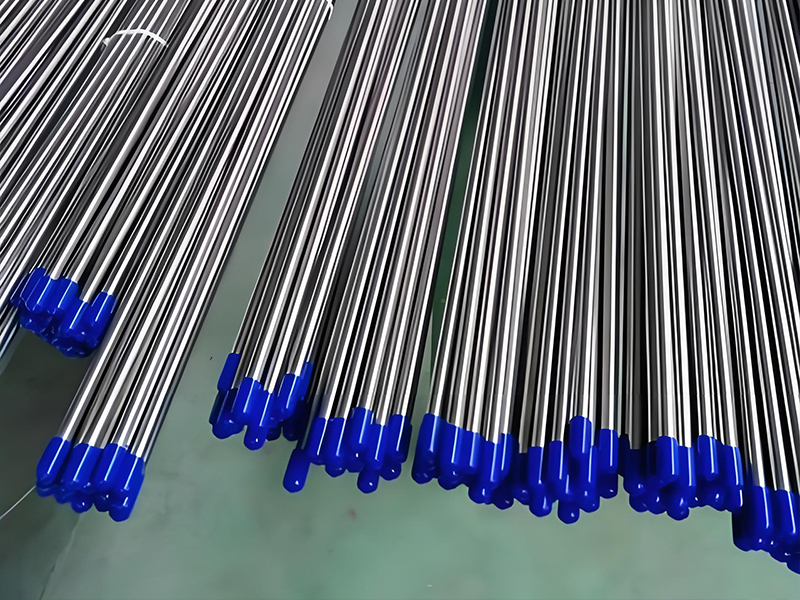
 Hastelloy Heat Exchanger Pipes & Tubes
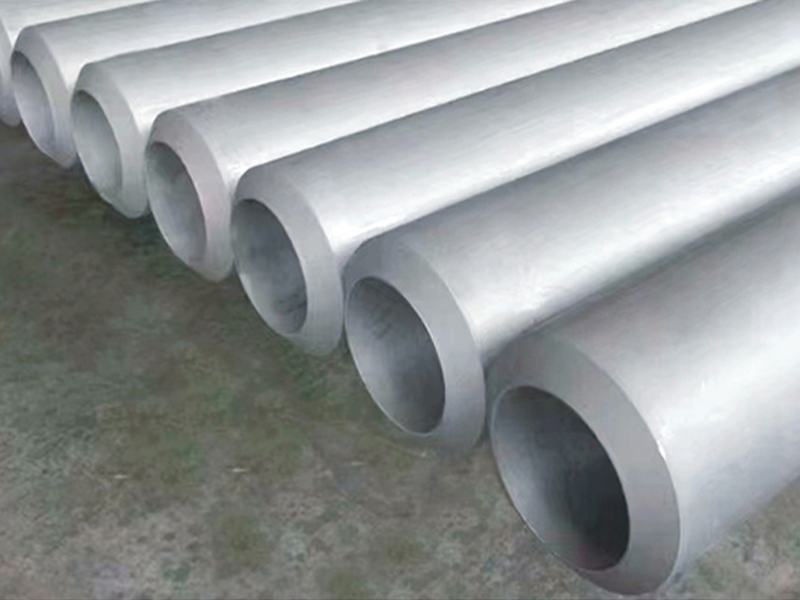 Hastelloy Condenser Pipes & Tubes
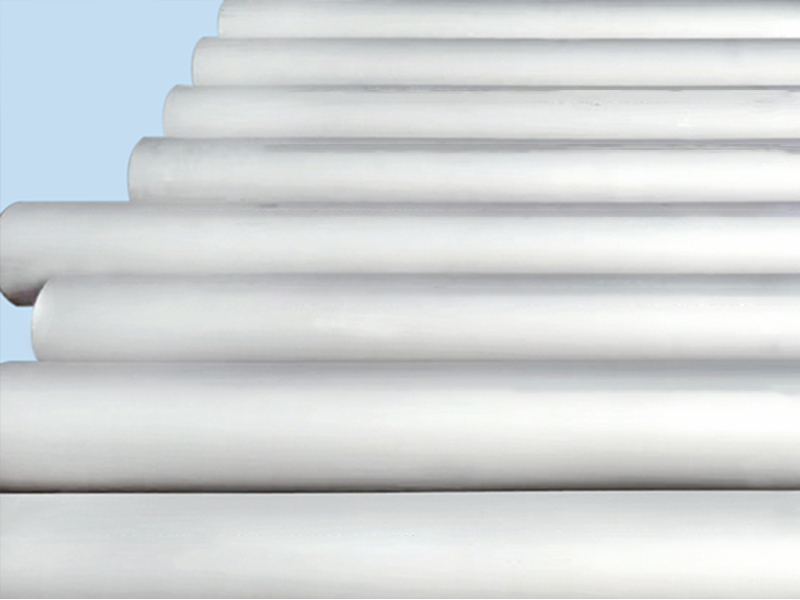 Hastelloy Capillary Pipes & Tubes
Grades of Hastelloy Pipes & Tubes We Supply
Following are the grades of Hastelloy pipes & tubes we provide and their distinct characteristics:
- 01
Hastelloy C276 Pipes & Tubes
Hastelloy C276 pipes & tubes are the most versatile and widely used grades due to their excellent resistance to a broad range of corrosive media. They perform exceptionally well in environments containing wet chlorine gas and hypochlorite. Their low carbon content (maximum 0.010%) minimises carbide precipitation during welding.
- 02
Hastelloy C22 Pipes & Tubes
C22 offers better overall resistance to pitting and crevice corrosion than C276. It is particularly effective in oxidising aqueous media, including mixtures containing nitric acid. It provides superior protection in stagnant or low-flow conditions.
- 03
Hastelloy C4 Pipes & Tubes
This grade is known for its high thermal stability and resistance to intergranular corrosion. It maintains its ductility and corrosion resistance even after long exposure to high temperatures. It is an excellent choice for deep-hole chemical applications.
- 04
Hastelloy C2000 Pipes & Tubes
C2000 is unique because it adds copper (approximately 1.6%) to the nickel-chromium-molybdenum mix. This addition provides extra resistance to sulfuric acid and other reducing chemicals. It is designed to be the most adaptable alloy for diverse chemical processes.
- 05
Hastelloy B2 Pipes & Tubes
B2 is specifically designed to resist hydrochloric acid across a wide range of concentrations and temperatures. It is a nickel-molybdenum alloy that handles pure reducing chemicals very well. It is not recommended for use in the presence of ferric or cupric salts.
- 06
Hastelloy B3 Pipes & Tubes
B3 is an improved version of B2. It offers the same acid resistance but with better thermal stability. It is easier to fabricate and has a higher resistance to stress-corrosion cracking. It performs better during the heating cycles required for welding.
| Grade | Primary Alloying Elements | Most Important Feature | Best For |
|---|---|---|---|
| C276 | Ni, Mo, Cr, Fe, W | Extreme versatility in most chemicals | Petrochemical & pollution control systems |
| C22 | Ni, Cr, Mo, W, Fe | Best-in-class resistance to oxidizing acids | Pharmaceutical & pesticide production |
| C4 | Ni, Cr, Mo, Ti | Exceptional high-temperature thermal stability | High-heat chemical processing equipment |
| C2000 | Ni, Cr, Mo, Cu | Added copper for superior acid resistance | Mixed acid streams and sulfuric acid use |
| B2 | Ni, Mo, Fe | Resists hydrochloric acid at all concentrations | Herbicide and insecticide manufacturing |
| B3 | Ni, Mo, Cr, Fe | Improved thermal stability over B2 | Reaction vessels with heavy welding needs |
Industrial Applications of Hastelloy Pipes
We supply Hastelloy pipes for transporting hydrochloric, sulphuric, and nitric acids. They go into reactors, heat exchangers, and acid storage systems where the piping is in direct contact with corrosive media.
Seawater systems, desalination plants, and offshore structures rely on these pipes. Chloride corrosion is persistent in marine environments, and Hastelloy resists it over extended service periods.
High-temperature steam lines, boiler feedwater systems, and cooling units use Hastelloy piping. The pipes handle both thermal cycling and corrosive fluids.
Fuel systems and hydraulic lines operate under extreme temperatures and pressures. Hastelloy piping maintains its integrity without corroding or degrading in those conditions.
Lime, bleaching chemicals, and pulp slurries are all corrosive to standard piping. Hastelloy resists that corrosion and prevents product contamination.
Offshore platforms, refineries, and petrochemical plants use these pipes to handle sour gas, H₂S, and corrosive hydrocarbons under high pressure.
Desalination, wastewater processing, and chemical dosing systems all involve exposure to acids, chlorides, and oxidisers. Hastelloy pipes hold up under those conditions consistently.
100% Certified Testing & Documentation
- EN 10204 3.1 and EN 10204 3.2 Material Test Certificates (MTC)
- Raw Materials Certificate
- 100% Positive Material Identification (PMI)
- Heat Treatment Charts
- Third-Party Inspection Report
- Surface roughness and size measurement
- Manufacturer Test Certificate (Impact Testing, Flattening, Flare, Bend, Hardness, Intergranular Corrosion, Pitting Corrosion, Grain size, Eddy Current (ET), Ultrasonic Testing (UT), Hydrostatic Testing (HT), etc.)
- Laboratory Test Certificate from Govt. Approved Lab
Frequently Asked Questions
Can Hastelloy Pipes Withstand High Temperatures?
Yes, Hastelloy pipes are engineered for sustained high-temperature service. They retain mechanical strength and corrosion resistance at elevated operating temperatures, making them suitable for chemical processing, steam systems, and high-temperature reactor piping. Depending on the grade, our Hastelloy pipes maintain structural integrity at service temperatures up to 675°C (1250°F) for C-family alloys in pressure applications, with certain grades retaining oxidation resistance up to 1038°C (1900°F) in non-pressure environments.- Resists thermal stress and creep deformation at operating temperature
- Oxidation protection at elevated temperatures
- Stable performance in continuous high-heat operations